
BSA & AML Risk Assessment
A BSA/AML Risk Assessment is a regulatory-required evaluation identifying your business’s exposure to money laundering, terrorist financing, and financial crime risks.
If you operate as: An MSB, FinTech, crypto exchange, payment processor, money transmitter, or any financial service provider
What Is a BSA/AML Risk Assessment?
A BSA/AML Risk Assessment is a comprehensive analysis that:
- Identifies inherent money laundering and terrorist financing risks
- Evaluates control effectiveness
- Determines residual risk exposure
- Documents risk mitigation strategies
- Provides regulator-ready documentation
Required under:
- Bank Secrecy Act (BSA)
- FinCEN AML Program Rule
- State money transmitter regulations
- Banking partner requirements
- FFIEC BSA/AML standards
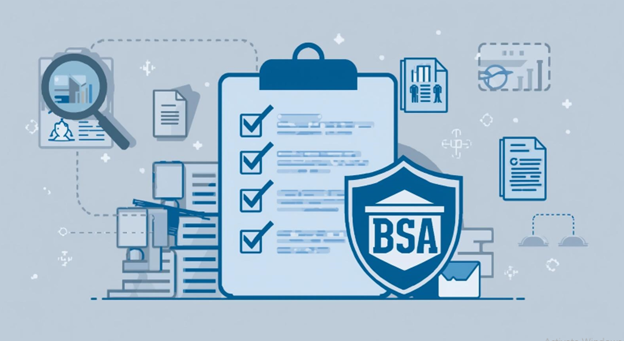

Who Needs a BSA/AML Risk Assessment?
Money Service Businesses (MSBs)
FinCEN requirement:
- All registered MSBs must conduct enterprise-wide risk assessments
- Core component of effective AML program
- Updated periodically based on business changes
Money Transmitter License Applicants
State regulator requirement:
- Comprehensive risk assessment in license applications
- Demonstrates understanding of ML/TF exposure
- Required for license approval
FinTech & Payment Companies
Banking partner requirement:
- Sponsor banks demand current risk assessments
- BaaS providers require annual updates
- Payment processors verify risk management
Companies Facing Regulatory Examinations
FinCEN & state examiner focus:
- Risk assessment quality reviewed during examinations
- Deficient assessments trigger enforcement
- Must align with business model and operations
![Who needs risk assessment]
What We Assess: Five Core Risk Categories
1. Products & Services Risk
We analyze:
- Payment types (ACH, wire, P2P, crypto)
- Transaction speed and anonymity
- Cross-border capabilities
- Product complexity
Higher-risk products:
- International wire transfers
- Cryptocurrency exchanges
- Prepaid cards with cash reload
- Anonymous payment methods
2. Customer Risk
We evaluate:
- Customer types (individual, business, institutional)
- Occupation and industry sectors
- Expected transaction patterns
- Source of funds
Higher-risk customers:
- Politically Exposed Persons (PEPs)
- Cash-intensive businesses
- MSBs and money transmitters
- Cryptocurrency businesses
3. Geographic Risk
We examine:
- Customer locations
- Transaction destinations
- High-risk jurisdictions (FATF, FinCEN)
- Sanctions countries
Higher-risk geographies:
- FATF high-risk jurisdictions
- OFAC sanctioned countries
- Known drug trafficking regions
Terrorist financing locations
4. Transaction Channels
We review:
- Online/mobile platforms
- In-person locations
- Agent networks
- API integrations
Higher-risk channels:
- Non-face-to-face onboarding
- Agent networks with limited oversight
- Third-party processors
5. Transaction Volume & Velocity
We analyze:
- Dollar volume by product
- Transaction frequency
- Velocity thresholds
- Unusual patterns
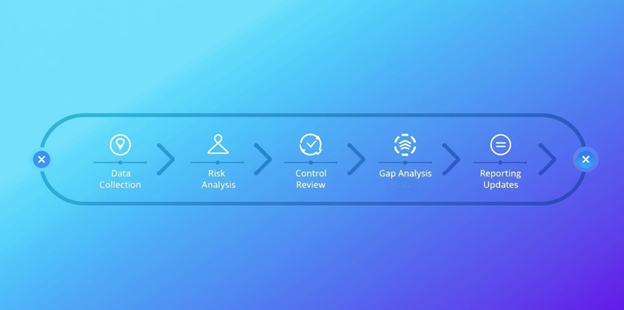
Our BSA/AML Risk Assessment Process
Step 1: Data Collection
- Business model documentation
- Customer demographics
- Transaction data and patterns
- Geographic footprint
- Current policies and procedures
Step 2: Inherent Risk Analysis
- Identify ML/TF risks by product
- Customer segment risk profiles
- Geographic exposure
- Channel vulnerability
Step 3: Control Effectiveness Review
- Customer due diligence procedures
- Transaction monitoring systems
- Sanctions screening
- Suspicious activity detection
- Training effectiveness
Step 4: Residual Risk Determination
- Calculate residual risk after controls
- Gap analysis
- Control enhancement priorities
- Resource allocation recommendations
Step 5: Documentation & Reporting
- Comprehensive written risk assessment
- Executive summary for board
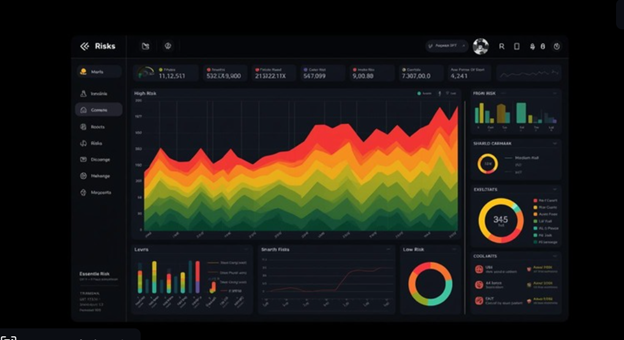
- Risk matrices and heat maps
- Remediation recommendations
Step 6: Ongoing Updates
- Annual reassessment (minimum)
- Updates for business changes
New product risk evaluations
Why BSA/AML Risk Assessment Matters
Regulatory Compliance
- Federal and state law requirement
- Foundation of risk-based AML program
- Demonstrates compliance commitment
Examination Preparedness
- Shows regulators you understand your risks
- Documents control rationale
- Reduces examination findings
Banking Relationships
- Banks require current assessments
- Prevents account closure
- Demonstrates risk management maturity
Strategic Decisions
- Informs product launch risk
- Guides geographic expansion
- Supports customer segmentation
Regulatory Standards We Meet
FinCEN Requirements
- Risk-based compliance approach
- Assessment of ML/TF risks
- Documentation of methodology
- Board and management awareness
FFIEC BSA/AML Standards
- Comprehensive risk assessment
- Appropriate methodology
- Board involvement
- Control alignment with risks
State Money Transmitter Regulations
- Risk assessment in applications
- Annual updates
- Board-approved documentation
Banking Partner Expectations
- Current assessments (within 12 months)
- Evidence of board approval
- Control alignment documentation
- Annual certification